Mirrors in Feng Shui: Dos and Don'ts for your home
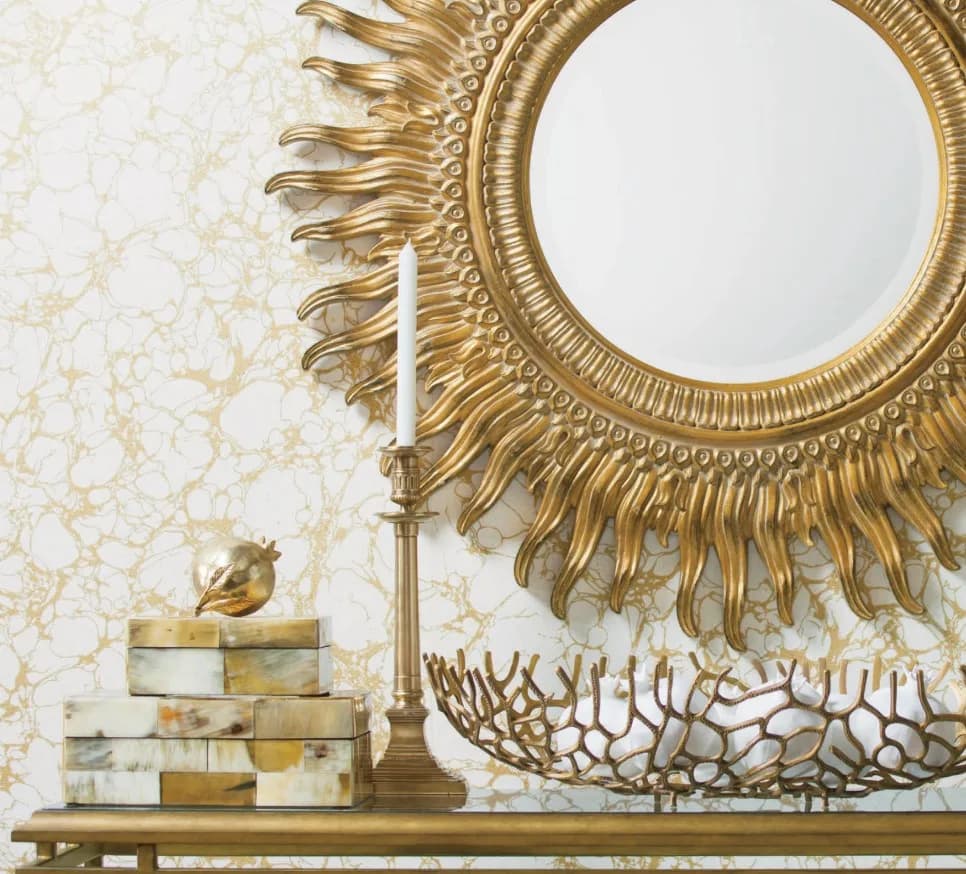
The first time I walked into our Gold Coast home, there was a huge mirror covering the entire wall directly opposite the front door. The previous owners loved it. But from a Feng Shui perspective, every bit of good energy walking through that front door is being immediately bounced back out onto the street.
Mirrors are one of the most misunderstood tools in Feng Shui. They're powerful, they're practical, and in the right position they can genuinely support the flow of chi (life-force energy) through your home. In the wrong position, they can scatter, destabilise, or amplify exactly what you don't want. Let's talk it through.
Why Mirrors Matter in Feng Shui
Mirrors are not symbolic cures or decorative afterthoughts, they're active tools that interact with energy or chi. Think of chi as moving water. A mirror can redirect that flow, much like a rock placed in a stream changes its course. Used well, that redirection is purposeful and beneficial. Used carelessly, it blocks or creates turbulence.
Mirrors are associated with the Water element in the five-element system, which connects them to reflection, clarity, and introspection. This is why placement matters so much: you're not just hanging something pretty on a wall, you're influencing the energetic quality of that entire space.
Here in Queensland, we're blessed with an abundance of natural light, and that light amplifies whatever a mirror is doing. A well-placed mirror in a north-facing living room can bring warmth and movement into the space. A poorly placed one can create visual chaos and restless energy that you feel, even if you can't name it.
The Dos: Where Mirrors Work Beautifully
When a mirror is placed with intention, it becomes one of your most effective Feng Shui allies. Here's where they genuinely shine:
- Beside (not opposite) the front door. A mirror on a side wall in your entry allows chi to settle as it enters, while giving you a practical place to check yourself before you head out. It welcomes energy in rather than pushing it away.
- In dining rooms to reflect the table. This is one of the oldest Classical recommendations. Reflecting an abundant table symbolically doubles prosperity and nourishment, a beautiful intention for a space where family gathers.
- In a narrow hallway, on one side only. Long, dark corridors can feel like chi is rushing through too quickly. A mirror on one wall (not both facing each other) slows that movement and opens the space without creating a disorienting tunnel effect.
- To bring in a beautiful view. If you're lucky enough to have a garden, a pool, or a glimpse of the hinterland from one room, positioning a mirror to capture that living, growing energy is genuinely supportive. Natural views are full of Wood element vitality.
- In a home office on the wealth wall. With guidance from a Flying Stars or energy map analysis, a mirror in the right sector of your workspace can support clarity and forward momentum.
The Don'ts: Placements That Undermine Your Home's Energy
This is where I see the most well-intentioned mistakes in homes across the Gold Coast and beyond. These placements are extremely common, and extremely worth addressing:
- Opposite the front door. As mentioned above, this sends chi straight back out. Your home never gets the chance to fill with the energy coming in.
- Facing the bed. This is one of the most frequently discussed Feng Shui mirror rules, and it holds up in practice. Mirrors facing the bed are believed to disturb sleep, introduce a third-party energy dynamic into partnerships, and create a sense of unease, particularly when you catch your own reflection in the middle of the night.
- Reflecting a toilet, or rubbish bin. Whatever a mirror doubles, it amplifies. You don't want to amplify waste or anything being flushed away.
- Two mirrors facing each other. This creates an infinite reflection loop that generates scattered, directionless energy. It might look interesting but it is genuinely disruptive to the chi of a space.
My advice? Before you hang something large and permanent, stand where the mirror will be and think about what it's reflecting. If it's a window overlooking a beautiful tree or the ocean, wonderful. If it's a cluttered corner, a busy road, or another hard surface, maybe reconsider. Chi is not abstract; it responds to the real, physical environment around you.
Size matters too. Oversized mirrors in small rooms, or mirrors that cut off the top of your head when you stand in front of them, create their own problems. A mirror should reflect you whole, without truncating or distorting your image. This sounds like a small thing, but energetically and psychologically, it matters.
Getting It Right for Your Specific Home
The truth is that mirror placement, like all Feng Shui recommendations, should be tailored to your specific home, its orientation, its floor plan, and the energetic map of each individual room. General rules get you started; a proper consultation gets you precise.
If you're ready to understand the real energy blueprint of your space, an Energy Map will take the guess work out of where each life theme is located within your home.
If you want to go further a full Energy Analysis will use your homes compass coordinates and year of construction to deliver exact Feng Shui remedies to invite wealth, connection and aligned life experiences.
Ready to transform your space?